

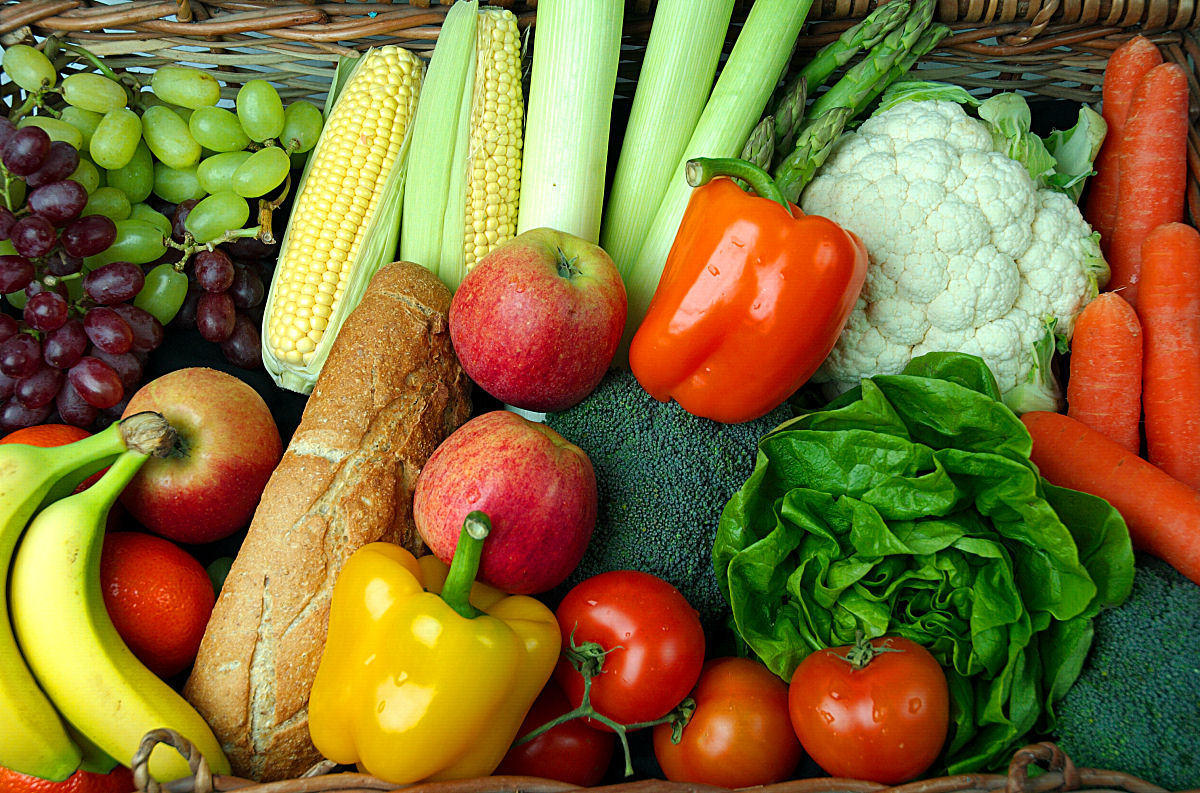
This is how you store your food!
At Thermocold, we are committed to ensuring that you have enough cooling capacity in your home to be able to store food, drinks and other products that require refrigeration.
The Danish Consumer Council has created this overview with good storage tips for the most common types of fruit and vegetables:
Cucumber
Wrapped in plastic, cucumbers will keep for a week in the refrigerator, but they cannot withstand freezing temperatures.
Oranges, lemons and limes
Most citrus fruits have a shelf life of a few days at room temperature, so you should keep them in a plastic bag in the refrigerator. However, lemons should be stored in a bowl on the kitchen counter, separate from ethylene-sensitive fruits like bananas and avocados.
Asparagus
They will keep for a couple of weeks in a plastic bag in the refrigerator. If they have become limp, you can cut off the ends and let them stand for a couple of hours in cold water.
Eggplants
Keeps well for 4–6 days at approximately 8 degrees. Should not be stored with fruit and vegetables that produce ethylene, such as apples, pears and tomatoes.
Avocado
Keeps for 2–7 days, depending on ripeness. Becomes brown in the refrigerator, so is best stored in a bowl on the kitchen counter.
Bananas
Store at room temperature, not in the refrigerator. A ripe banana has beginning brown spots.
Cauliflower
Keeps for up to a month in a plastic bag in the refrigerator.
Broken beans
Fresh beans last the longest (5–6 days) in a plastic bag in the refrigerator.
Broccoli
Rewrap and place in the refrigerator, where it can last for up to a couple of weeks. It will go bad quickly if stored with products that emit a lot of ethylene (including apples and tomatoes).
Apples
Keeps best at low temperatures. Excretes the substance ethylene, which promotes ripening and decay. Apples (and pears) can therefore affect the decomposition of other fruits and vegetables.
Carrots
With the stem on, they will go limp in a few days. Remove the stem and place the carrots in a bag in the refrigerator. They will keep well for 2–3 weeks.
Garlic
Keeps for up to six months in the refrigerator, and 3–4 weeks at room temperature.
Ginger
Ginger can stay fresh for a couple of weeks in a plastic bag in the refrigerator, but can also be frozen.
Strawberry
Do not refrigerate the strawberries if you are going to eat them the same day. However, they can be refrigerated if you are going to use them the next day.
Kiwi
Do not refrigerate. A ripe kiwi can last for 3–5 days, while unripe ones will last a couple of weeks at room temperature.
Cabbage
Store in the refrigerator.
Onion
Should be stored dry. Avoid both plastic bags and refrigerators. Onions can last up to 6 months if stored dry and cool.
Melon
Store whole at room temperature, but refrigerate once cut.
Peppers
Best stored in the refrigerator, at 7–10 degrees. Red and yellow peppers will last for a week, and green peppers will last up to twice as long.
Parsley
Keeps for 4–5 days in a plastic bag in the refrigerator. Can also be chopped and frozen.
Potatoes
Should be stored in a cool, dark place at 8–10 degrees Celsius, but can become sweet in the refrigerator. If exposed to too much light, a toxin is formed that turns the potatoes green. The best storage is therefore in a cool cupboard or covered in a dry, cool cellar.
Leek
Keeps best at no more than 5 degrees in a plastic bag in the refrigerator. Then the shelf life is two weeks. Vegetables with soil should be stored in the refrigerator's vegetable drawer.
Bulbs
In the refrigerator at about 10 degrees, but separate from other fruit and vegetables because the pears secrete ethylene, which accelerates ripening and decay.
Root vegetables
Place in the refrigerator.
Arugula
Goes bad after just one day at room temperature, but can last for a week in a plastic bag in the refrigerator.
Salads
Repackage and place in the refrigerator.
Head of lettuce
Rinse the lettuce and let it absorb some moisture. Drain the water and place it in a bag in the refrigerator. You can also pinch off the leaves, rinse them thoroughly and store them in a plastic bag in the refrigerator.
Mushroom
They last the longest (about a week) in the refrigerator, in the package you bought them in. They also keep well in a plastic bag in the refrigerator after you clean them. A little browning doesn't mean anything; it's a wound healing process caused by enzymes in the mushroom.
Spinach
Fresh spinach should be stored in a plastic bag in the refrigerator. It will keep for about a week. Soft leaves will become crisp again if placed in cold water.
Squash
Place in the refrigerator, where they will keep for about a week.
Tomatoes
Ripening stops in the refrigerator, where the tomatoes lose their flavor and aroma. They should therefore be stored in a bowl on the kitchen counter.
Spring onions
Spring onions will keep for about 10 days in a plastic bag in the refrigerator.
Thermocold works for this weather today: the longest possible shelf life, minimum waste and the most natural taste possible!!
Store food in a cold room | longer shelf life in a cold room | cold rooms are good for the economy | refrigerated corner extends shelf life | quality food in a cold room


Refrigeration history from Norway and the world
Do you want a "wow" factor in your wine room? Experience the new wine wall from Thermocold