

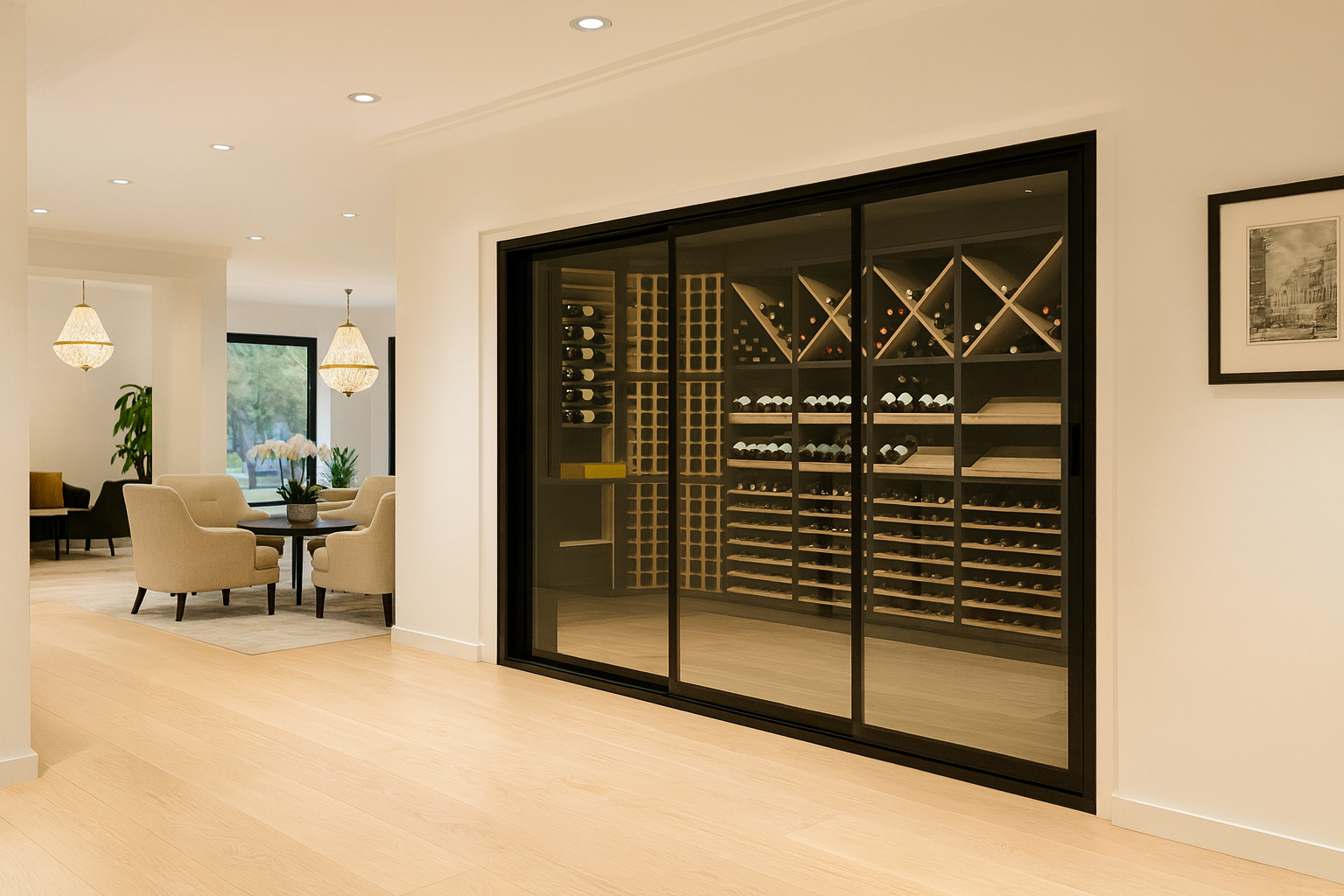
Before you start building a wine room, there are several things you should consider: the purpose, the space, the unit, the number of bottles, storage time and conditions, and more.
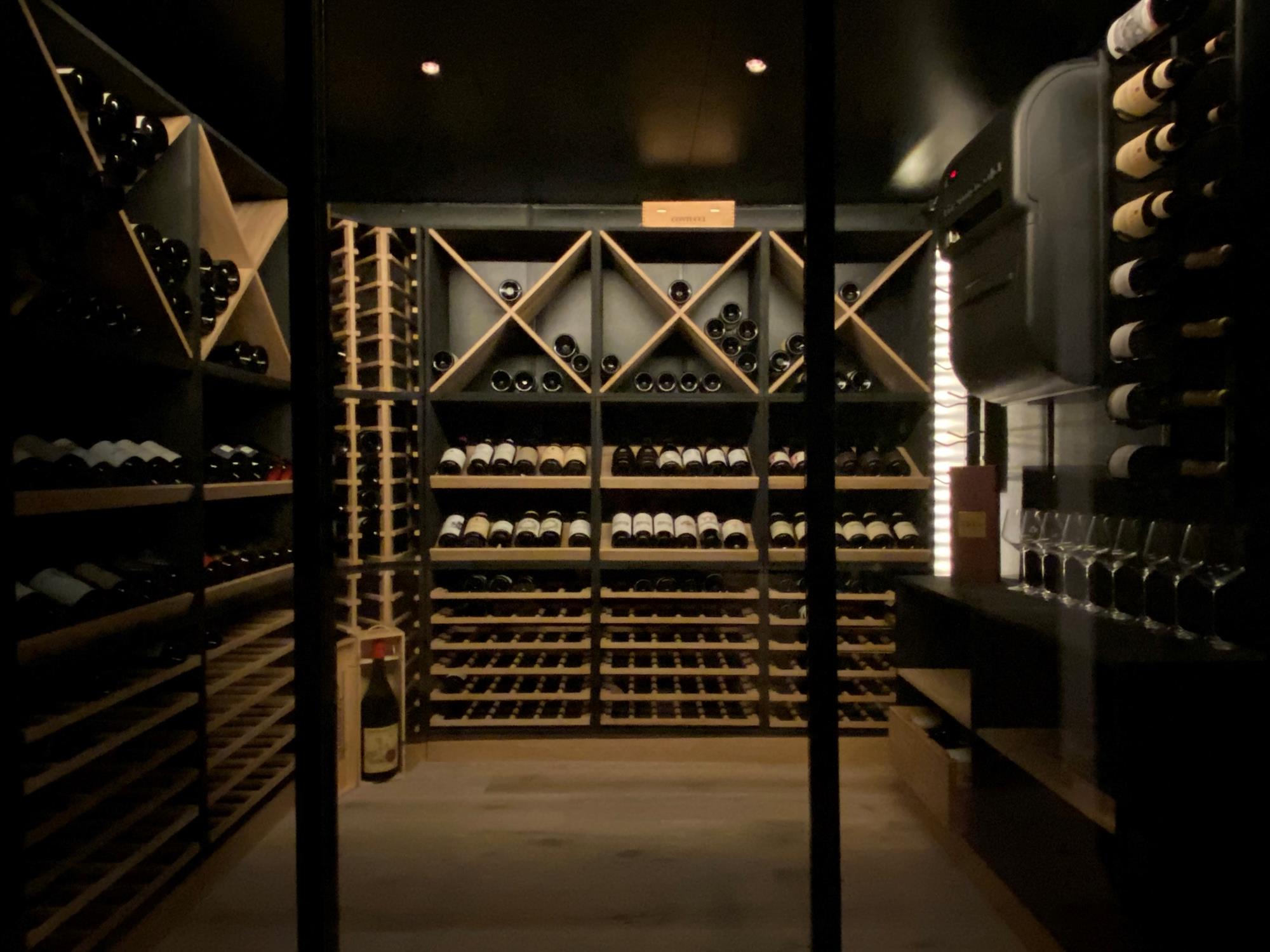
Here are wine room tips from refrigeration master Jørgen Johansen in Thermocold , who is passionate about wine and cold storage and has over 20 years of experience.
Number of bottles
To get started, think about how many bottles you have today and how many you envision having in the future. Some are considering buying their third wine cabinet to have more space for their wine, some are just starting out and have only 14 bottles, while others have hundreds of bottles.
The purpose
Think about whether you want a practical wine room, where you can store the maximum number of bottles in favorable conditions – in a dark, cool room? Or do you want an elegant wine cabinet, placed under the stairs, in the cellar or in the hall? Or how about a glass hatch in the floor where you can look down at your wine collection?
The space – what do you have?
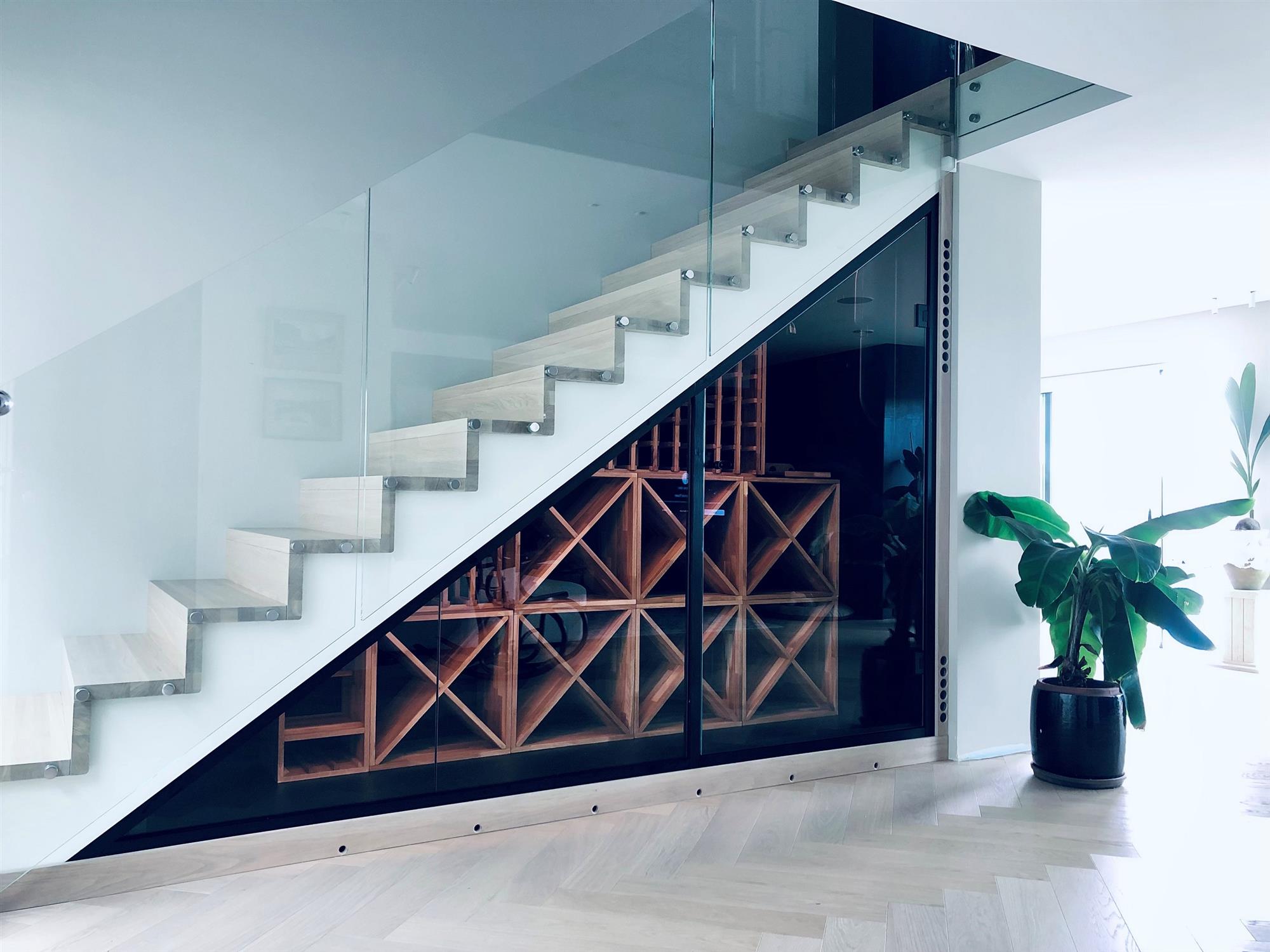
Take a look around your home and find two or three places where you can place your wine room, considering the purpose of the wine room and the number of bottles you will store. It should be cool and dark, with a consistent temperature. A basement or extra room is ideal.
Storage time
- Short-term storage: mainly drinking wine.
- Medium storage: a couple of years will last a long time.
- Long-term storage: 10, 15, 20 years and so on.
Storage conditions
Wine can withstand both gradual temperature fluctuations and fluctuations in humidity, if not for long periods. The rules set for storage are to optimize, ensure and assure us that the quality does not deteriorate and that the conditions for maturation and storage are the best possible.
If you are investing in wine and storing it for a long time, you need to be extra careful with these things. However, if you are not going to store wine for long periods of time, you can store the wine at slightly higher temperatures without the wine going bad.
Rules to remember for storing wine:
- Stable, cool temperature: 10–18 °C.
- Humidity: around 60% RH (RH = relative humidity).
- Lighting conditions: as dark as possible and avoid UV rays.
- The vibration should not be too high – most important for wine that is stored for a long time.
- Odor: avoid paint and stain products with long off-gassing.
- Climate and good air circulation.
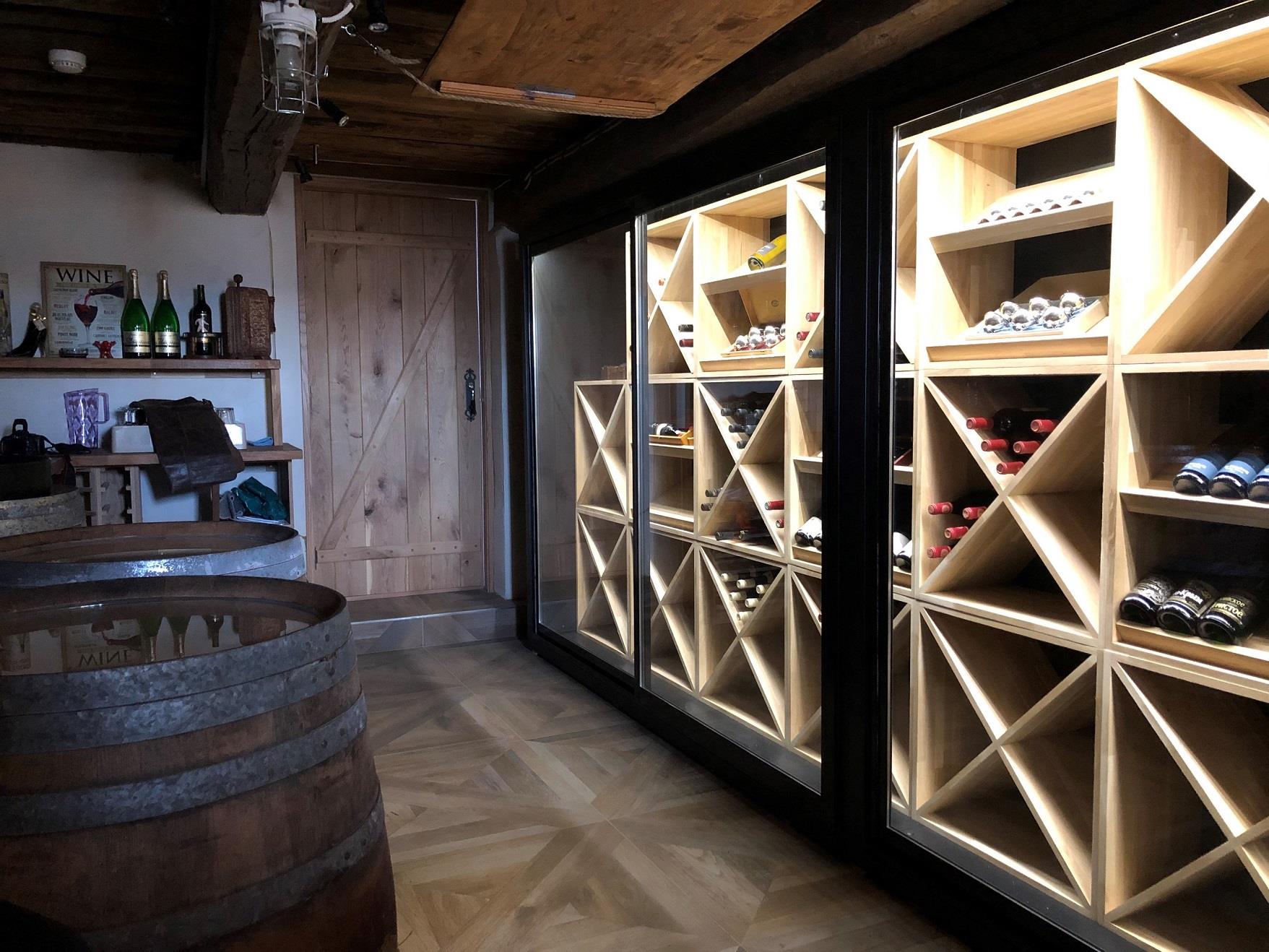
Temperature
Usually, the correct temperature is determined by what is to be stored and how long it will be stored, so you may find different answers to this question.
Generally, 12–13 °C is considered a favorable storage temperature for both red and white wine – if stored too cold, the maturation process is delayed, and at too high temperatures the maturation process can go too fast and you can get a vinegary taste in the wine. However, the time factor for storage is important to consider here, i.e. how long the wine should be stored.
Moisture
The humidity in the wine room is important, but you have a lot to think about. Different bottles, corks, types of wine and whether you place the bottle upright or lying down are things to think about.
A safe range for wine storage is 50–75% RH. 60% is optimal, but 40% or 85% for a short period will not affect the cork much. The great enemy of wine is oxygen that is let in through the cork, so it is important to have some humid air, otherwise the cork can dry out.
Lighting conditions
What determines how long wine can be stored in the wine room is the lighting conditions. UV rays from the sun are actually what wine tolerates the least, but interior lighting can also affect and deteriorate wines that are stored for a long time.
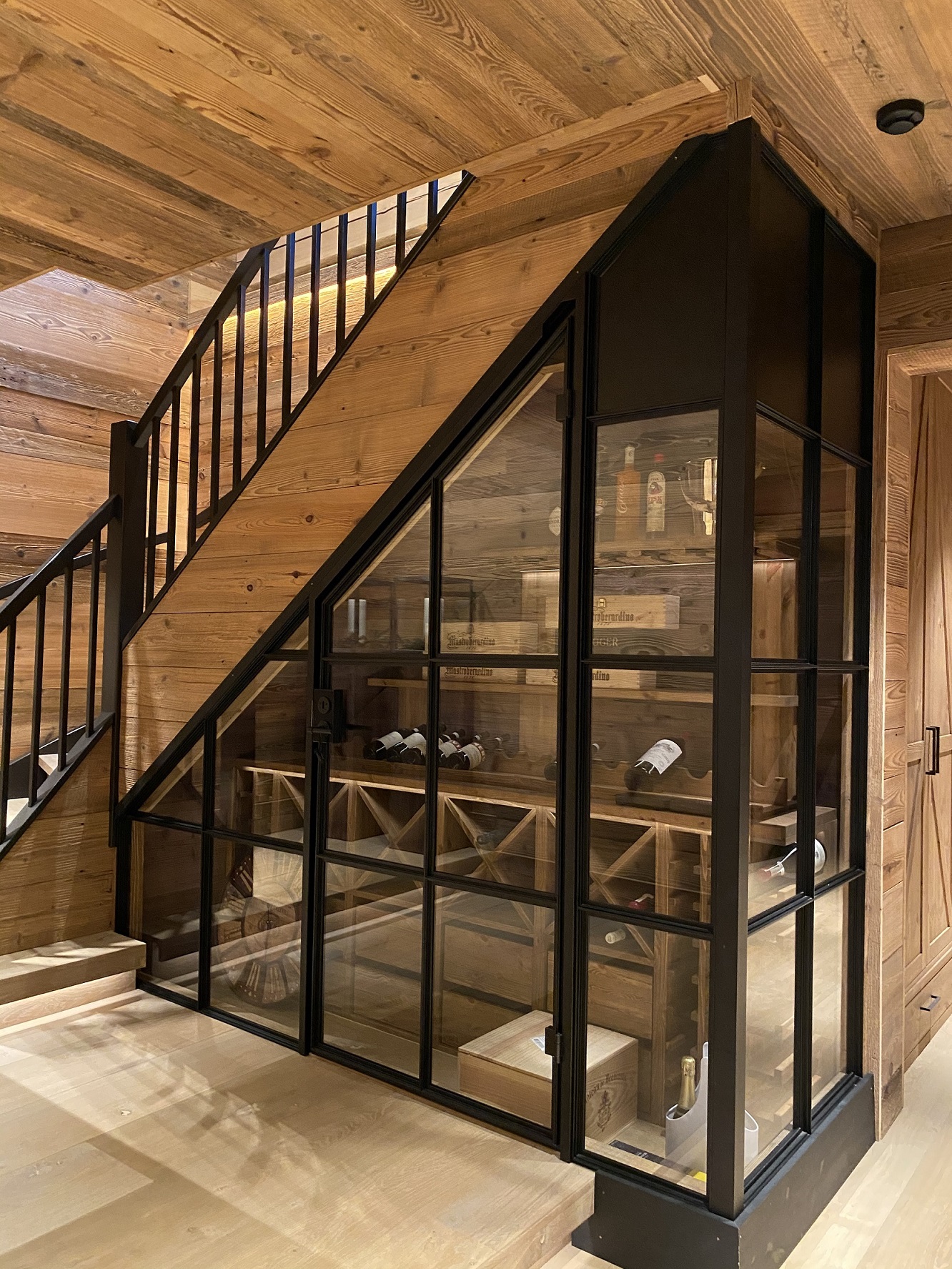
Large glass walls or sliding glass doors are becoming increasingly popular, but the light problem is solved by storing the aging wine in boxes or covering it in another way instead of keeping it on open shelves.
Vibration
There are many different opinions about vibration, but vibration for short periods probably doesn't cause any major damage – the wine is sold and transported on boats, and transported by truck in constant vibration.
But when you are going to store wine at home for a long time, many people believe that vibration has something to do with it. An experiment on vibration has been done that gave this chemical result: Vibration reduced the tannins and increased the pH, but to a small extent. There was less acid in the wine that was exposed to vibration than in the wine that was left still. The test did not indicate any difference in taste.
Smell
Odor in the wine room is also discussed. Many believe that the odor in the room leaves its mark on the wine, while others believe that as long as the bottles are corked/sealed, no odorous gas will enter the wine.
Here we also want to be on the safe side: Do not use treated walls, ceilings, and wine racks with strong oil and paint products with long offgassing. Wine racks that have been treated should be aired/degassed before being placed in the wine room.
Climate
A well-built wine room usually means a good climate, and then you will avoid mold on corks and labels in the wine room.
Although climate is important, there are differences among people with wine rooms. Those who have a well-built wine room with pre-insulated panels or have built it in wood as a cold room usually have a good climate. Wine cellars with brick walls that have little or poor insulation in the walls and lack a moisture barrier in the floor, ceiling and walls often have a varying climate in the wine room – this is where additional equipment for humidity regulation is often needed.
Wood, elements or glass
You can either build a wine room yourself from wood, plastic and insulation or buy one. finished element room on target and click it into place – reminiscent of LEGO bricks. A ready-made element room is of course the easiest and best, but you can easily build it yourself. Both solutions can have a glass door or glass wall.
Cold room panels
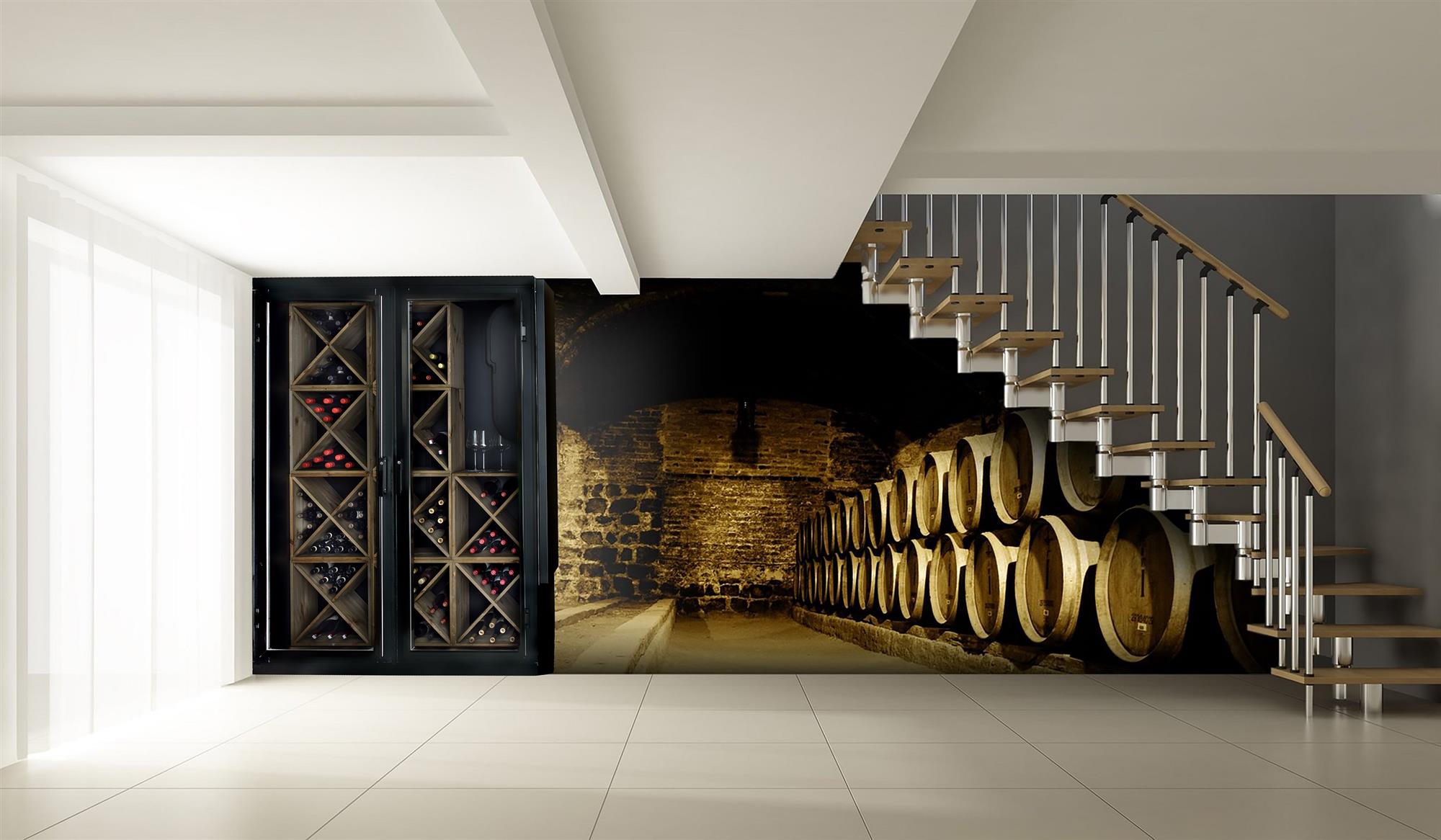
There are several advantages to ordering a ready-made standard or custom wine room with 5 cm thick panels, for example. The wine room is super well insulated and completely airtight, and can be just as easily dismantled and moved/sold or built on. Panels provide extremely good control over the climate in the room and low power consumption.
Depending on the size and design, you can set up most wine rooms in panels in one evening, and then it's ready to use. You assemble the room itself without screws, just use a key that comes with it to lock the walls, floor and ceiling together.
Building in wood
You can easily build a wooden wine room on your own, but many people need help from a carpenter . In short, you build a room within your room. The room is built with a small clearance/ventilation to existing walls – for example, if you are building the wine room in a corner of the basement, you start with a small clearance to the two walls. Then you build the floor, walls and ceiling with plastic on the outside, and have insulation between the joists and, for example, paneling inside the room.
Building with wood requires a bit more work, and it also takes up a bit more space than with other materials. You also can't use certain materials inside the wine room, such as plasterboard, MDF, or regular chipboard, as the materials must withstand high humidity.
Glass walls
Instagram keeps showing pictures of wine rooms built with just glass walls, but these are often without refrigeration. Although some of these have well-insulated glass walls with a low U-value and can therefore also have refrigeration in the room, you need large cooling units.
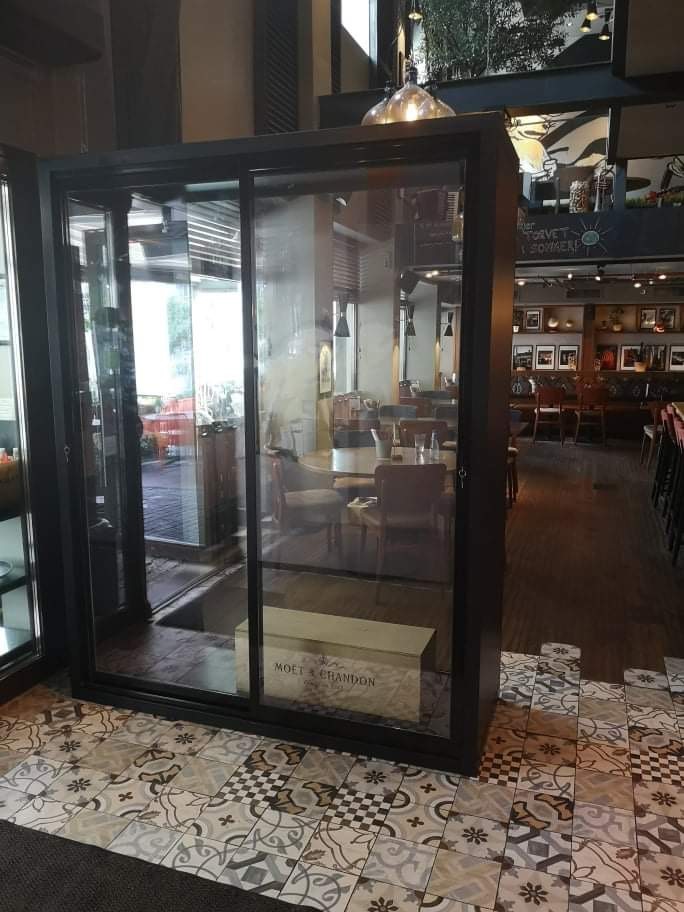
Most of the glass wine cellars you see on social media or in restaurants are for drinking wine – the wine is then stored at serving temperature at 16–18 °C, and special air conditioning units are used that can withstand outdoor temperatures down to -25 °C.
If you want 12 °C in such a glass wine room, you must be careful with the dimensions, so it may be a good idea to contact someone to help with the calculation and selection of a cooling unit. It may be a good idea to consider smaller glass panels or doors.
Type of door
Before you start building your wine room, you should decide which type of door and unit is best suited.
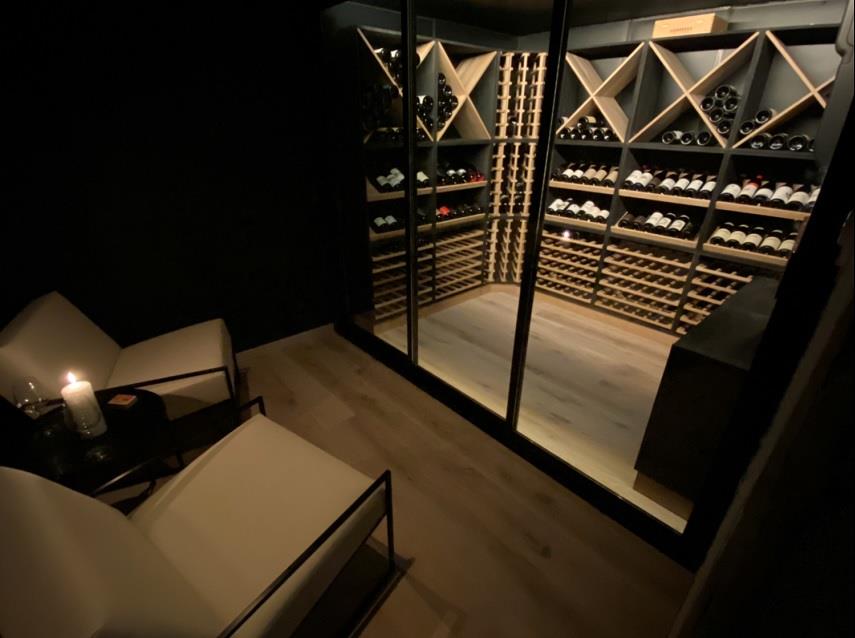
Insulated doors can be divided into 3 groups: integrated, surface-mounted and sliding doors.
One integrated door integrated into the wall and is usually used when the wine room is, for example, built into a kitchen or opening onto a hallway – where you need a door that matches the rest of the interior. You can mount an integrated door on a furniture panel supplied by your kitchen supplier, or you can get a stainless steel front.
One external door is a simple and straightforward door that is located on the outside of the wall. In the light opening, you attach 4 plastic angles with metal inserts that the magnetic strip is sucked against. You can also get external glass doors.
Sliding glass door is currently chosen by many, as it often provides good visibility into the room. Such doors are normally ordered to measure – make sure that the glass has a good U-value.
Type of aggregate
When purchasing a cooling unit, there are several things to consider:
- There are big differences in power consumption.
- How it should be mounted (some have multiple solutions).
- Plastic cover on the back or do you want recessed grilles?
- Dust filter – this makes cleaning much easier.
- Sound is important – the unit should have quiet fans.
- The unit should be built so that it does not create vibration.
- It is an advantage that you have a light outlet in the cooling compartment on the unit itself, as you do not have to connect electricity to the wine compartment.
- Choosing the right performance for the unit is important - units for private households are generally marked with how many liters/m³ of cold storage it can handle. If you have built a cold storage room yourself, you need to consider how well it is insulated - you can often get help with this from a dealer, who will then calculate the U-value of the walls, floor, ceiling and glass panels.
Choose between split or compact unit:
Compact units (plug and play) are complete systems that are mounted in the wall with ventilation at the back and with a plug. You can generally install these yourself quite easily. There are some different models on the market . Almost all the small compact units have automatic removal of condensation water, and this is a great advantage, as you do not have to install a drain in the cold room.
Split units (divided units) are mainly for those who want have the compressor placed in another room than where the refrigerator is located. The reason for this may be that you want to use the heat that the compressor section emits in another room, for example in the basement or garage. Another advantage is that the sound from the compressor section is moved.
On a split system, you will incur an additional termination fee, as you will need an authorized installer to install the pipes, fill the gas and start the system. Tip: much of the installer's cost is working hours on the pipes, so if you make holes in the walls, floor or ceiling as agreed with the installer, he will save a lot of time on the installation and you will save money.
A split compressor can also be installed outdoors and in cold rooms, but remember that at temperatures below +10 °C, the unit must have something called winter operation. The disadvantage of a split is that you must have a drain to the cold part, which is located in the cold room.
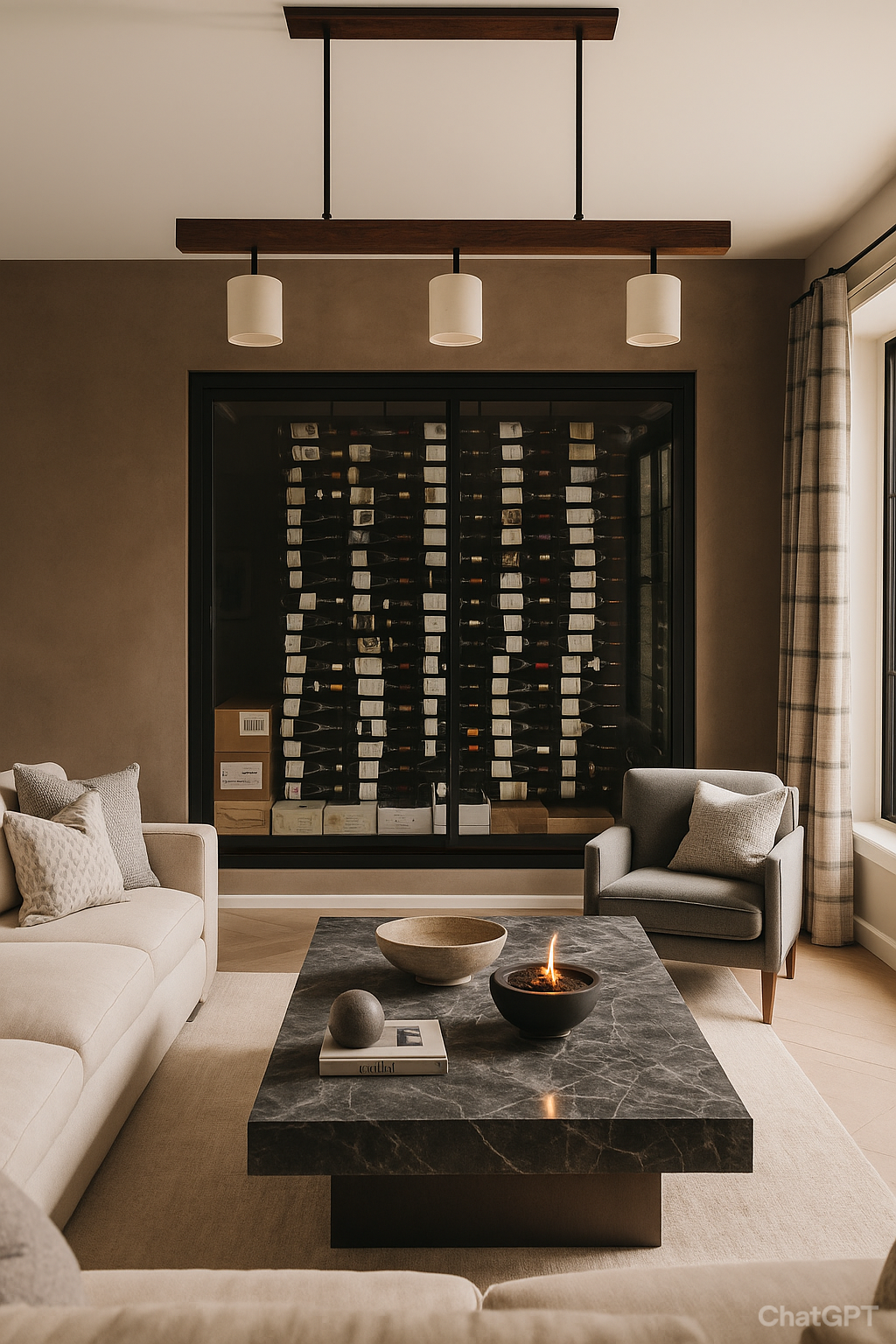
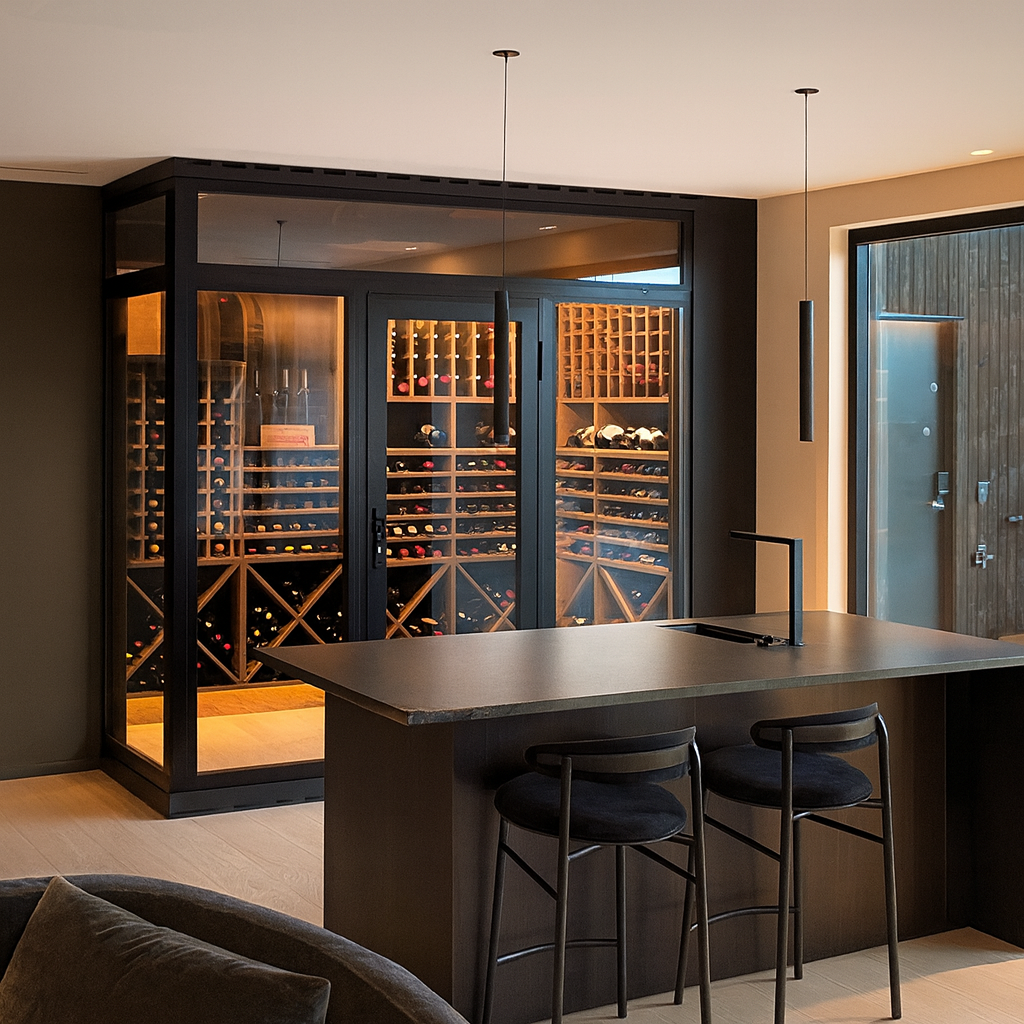

The wine room is not only a storage space, but also a hobby room
How to build your own wine room, step by step